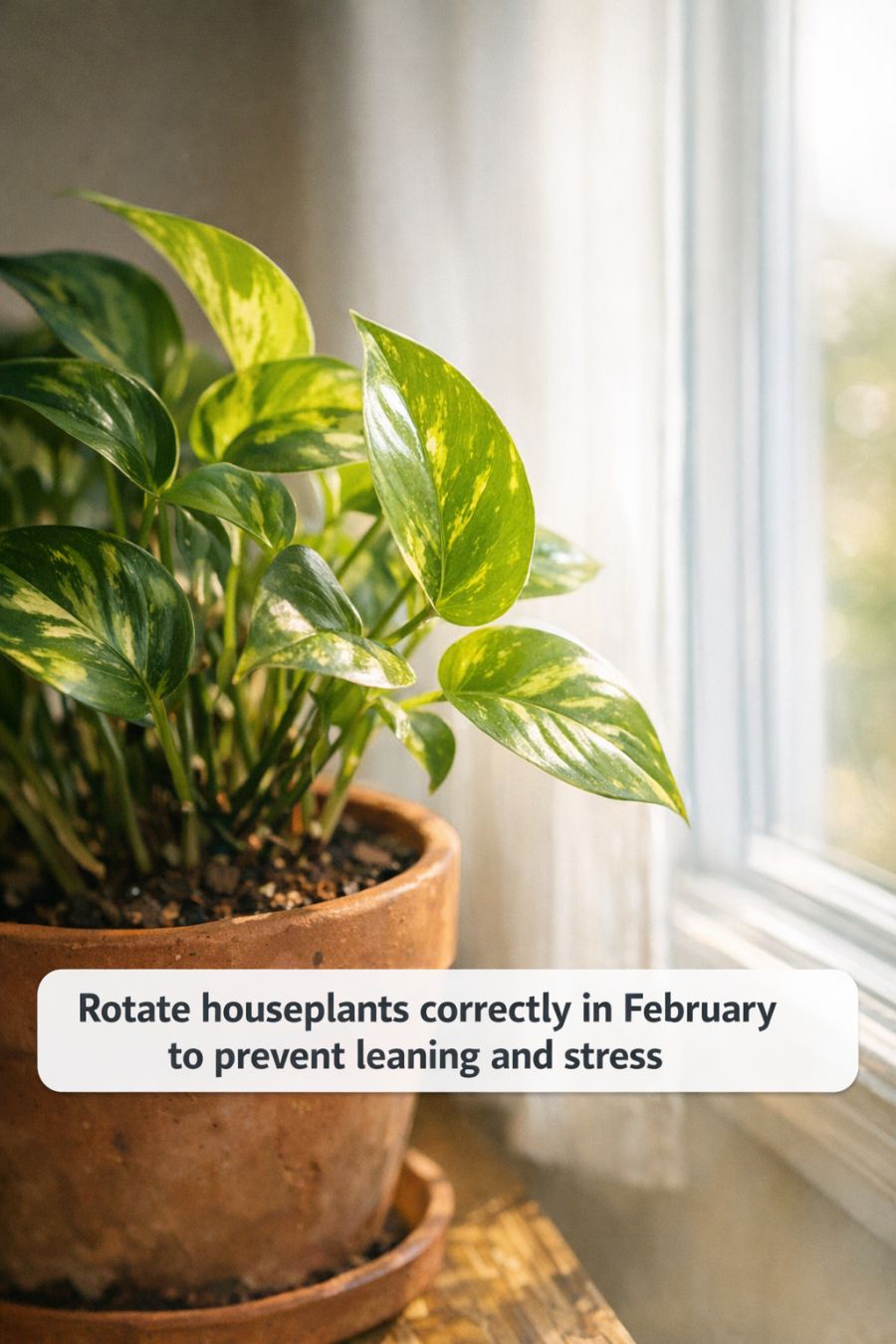
Houseplants are a delightful addition to any home, providing a touch of nature and a splash of color to indoor spaces. However, maintaining their health and appearance requires more than just regular watering and occasional fertilization. One often overlooked aspect of houseplant care is the need to rotate them, particularly in the late winter months. February presents an ideal time to implement this practice, as it helps prevent leaning and stress caused by uneven light exposure.
Rotating houseplants is crucial because, during the winter months, the sun is at a lower angle in the sky, causing light to come from a different direction than in the summer. This change in light direction can lead to uneven growth, with plants stretching towards the light source, resulting in a lopsided appearance. By understanding the importance of rotation and implementing a thoughtful routine, plant enthusiasts can ensure their houseplants remain healthy and aesthetically pleasing throughout the year.
1. Why February Is the Ideal Month To Rotate Houseplants
February is a transitional month, marking the end of winter and the gradual return of longer daylight hours. During this time, houseplants can be particularly vulnerable to changes in light exposure due to the sun’s position. Rotating houseplants in February helps them adjust to these changes, promoting even growth as they prepare for the more intense sunlight of spring.
Furthermore, by February, most houseplants have had a couple of months indoors with limited light, making them prone to leaning. Rotating them now ensures they receive light from all sides, helping them to straighten out and develop a more balanced form before the rapid growth period of spring begins.
2. How Light Angle Changes in Late Winter Affect Plant Growth
As winter wanes, the sun begins to climb higher in the sky, altering the angle at which sunlight enters through windows. This change can cause houseplants to lean towards the light source, as they instinctively grow towards the direction of the most intense light. This phenomenon, known as phototropism, results in uneven growth if not managed properly.
In late winter, the days start to lengthen, and the light becomes more consistent, but still comes at an angle that can cause plants to stretch and lean if they are not rotated. By understanding these changes in light angle, plant owners can better plan their rotation schedule to ensure even exposure and healthy growth.
3. Spotting Early Signs of Leaning, Stretching, and Light Stress
Early signs of light stress in houseplants include leaning stems, elongated or spindly growth, and leaves that are smaller and paler than usual. These symptoms indicate that a plant is not receiving adequate light on all sides, prompting it to stretch towards the nearest light source.
Another sign to watch for is uneven leaf distribution, where more leaves appear on one side of the plant than the other. Monitoring these early indicators allows plant owners to take corrective action before significant stress or damage occurs.
4. The Perfect Rotation Schedule: How Often To Turn Each Plant
A good rule of thumb is to rotate houseplants every two to three weeks. This frequency ensures that all sides of the plant receive equal light exposure, promoting symmetrical growth. However, the specific rotation schedule may vary depending on the plant species and its light requirements.
For plants that require more light, such as succulents and cacti, more frequent rotation might be necessary. Conversely, shade-loving plants can be rotated less frequently. It’s essential to observe each plant’s growth pattern and adjust the rotation schedule accordingly.
5. The Right Way To Physically Rotate Pots Without Damaging Roots
When rotating houseplants, it’s crucial to handle them gently to avoid disturbing the roots. Start by grasping the pot firmly but gently, turning it a quarter turn in the same direction each time. This consistent direction helps maintain a routine that the plant can adapt to.
Be cautious not to jostle the plant too much, as this can dislodge soil and stress the roots. For larger plants, consider using a plant caddy or saucer to facilitate smoother rotations without lifting the pot.
6. Matching Rotation Habits to Different Plant Types and Growth Habits
Different types of houseplants have varying light requirements and growth habits, which should be considered when planning a rotation schedule. For example, flowering plants like African violets may benefit from more frequent rotations to ensure even bud development.
On the other hand, foliage plants such as ferns and peace lilies might require less frequent rotation since they are more tolerant of lower light levels. Understanding the specific needs of each plant type helps in tailoring a rotation schedule that supports their natural growth patterns.
7. Using Simple Markers and Apps To Track Rotations Accurately
Keeping track of when and in which direction you’ve rotated your plants can be challenging, especially if you have a large collection. Simple markers, such as a small piece of tape on the pot, can help indicate the last rotation’s position.
Additionally, using mobile apps designed for plant care can help schedule reminders and track rotations. These tools allow for more precise management of your plant care routine, ensuring that no plant is rotated too frequently or not enough.
8. Balancing Rotation With Watering, Feeding, and Repotting Routines
Rotating your plants should be integrated into your overall plant care routine. It is often convenient to rotate plants during regular watering or feeding times, as this ensures a consistent care schedule.
When repotting, take the opportunity to reassess the plant’s light needs and adjust its position and rotation schedule accordingly. Balancing these tasks helps maintain a healthy environment for your plants, promoting robust growth and vitality.
9. Common Rotation Mistakes That Stress Houseplants in Winter
One common mistake is rotating plants too frequently, which can lead to confusion and stress as the plant struggles to adjust to constantly changing light conditions. Another error is neglecting to rotate plants at all, resulting in uneven growth and potential long-term structural issues.
Additionally, rotating plants without considering their specific light needs can lead to inadequate exposure for light-loving species or excessive light for shade-tolerant ones, contributing to stress and poor health.
10. Quick Fixes for Already Leaning or Lopsided Houseplants
For plants that are already leaning, consider staking them to provide support while they regain strength and adjust to a more balanced light exposure. Gradually rotating the plant back to an upright position over several weeks can also help correct leaning.
Pruning can be another effective solution, removing overly stretched or weak stems to encourage new, balanced growth. Ensuring the plant receives consistent light from all angles moving forward will help prevent future leaning.
11. Creating an Even-Light Setup So Plants Need Less Frequent Rotation
To reduce the need for frequent rotation, consider arranging your plants in a way that maximizes even light distribution. Using mirrors or reflective surfaces can help disperse light more evenly across the room.
Alternatively, supplemental lighting, such as grow lights, can provide consistent light exposure, reducing the need for rotation. Position these lights at an even distance from the plants to mimic natural sunlight and promote uniform growth.
