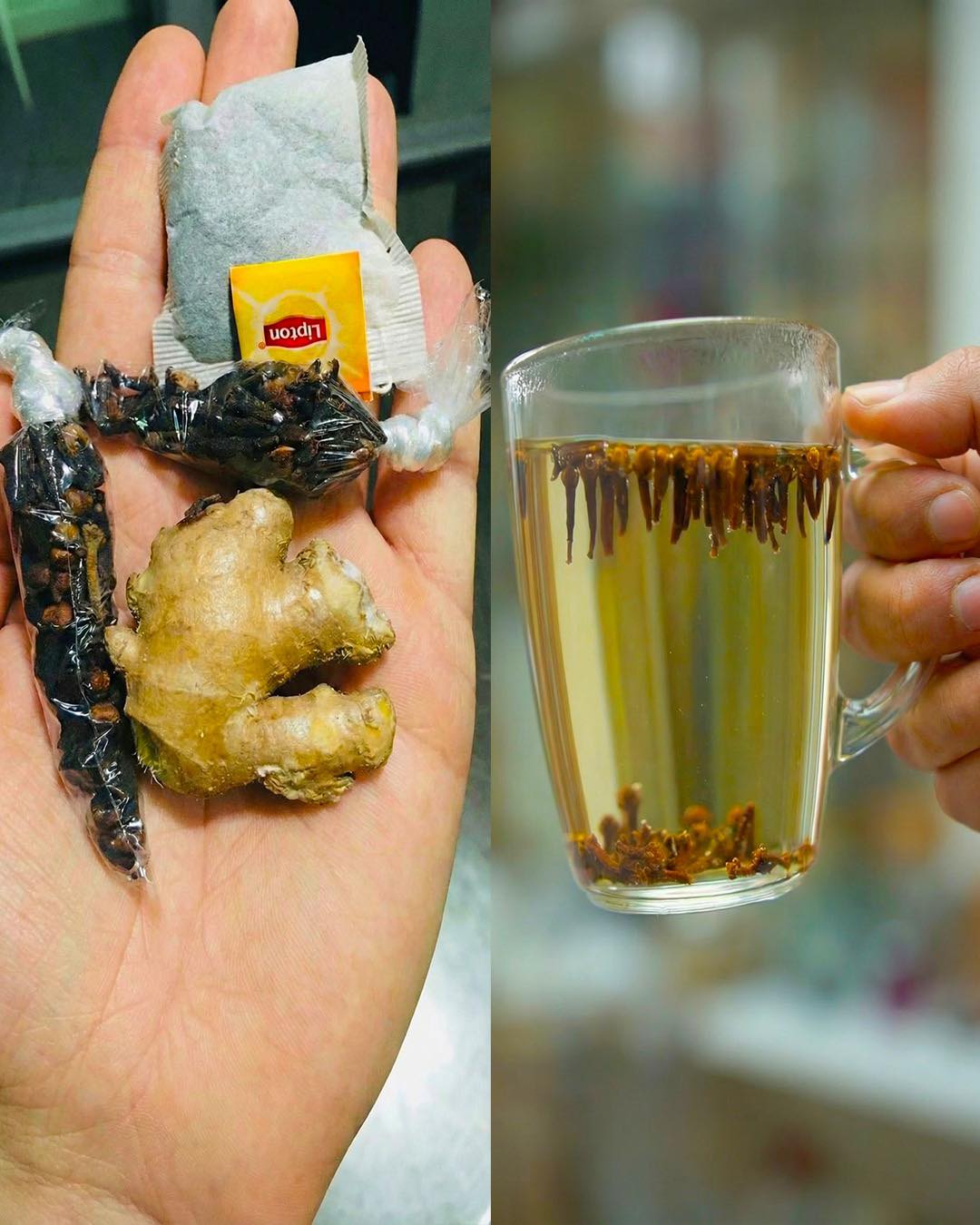
A Simple Cup With a Surprisingly Deep History
A warm cup of tea is one of the oldest “home remedies” on Earth—part comfort ritual, part cultural tradition, and (sometimes) part real science. Across many regions, cloves were prized as a powerful spice, ginger was used for digestion and “warming” the body, and black tea became a daily staple for focus and energy. Today, people combine them into one drink and search for Cloves Ginger and Lipton Tea benefits—often for immunity, digestion, and inflammation support.
But what’s actually happening in your body when you drink this blend? Which benefits are realistic, which are exaggerated, and who should be careful?
This long-form guide breaks down:
- The key bioactive compounds (like eugenol in cloves and gingerols in ginger),
- What research suggests about immune support, digestion, metabolism, and respiratory comfort,
- Why the combination can feel more potent than any single ingredient,
- The best recipes (hot, cold brew, and variations),
- Side effects, precautions, and evidence-based FAQs.
Medical disclaimer: This article is for education and general wellness only. It does not diagnose, treat, or cure disease. If you’re pregnant, have a medical condition, or take prescription medicines (especially blood thinners, diabetes meds, or heart meds), talk to a qualified clinician before using concentrated herbal “remedy” routines.
Table of Contents
- What This Drink Really Is (and what “Lipton” usually means)
- The Science of Cloves 📌
- The Science of Ginger 🫚
- The Science of Lipton / Black Tea ☕️
- Why the Combination Works Better (Synergy)
- Benefits Deep Dive
- Immune System Support
- Digestive and Gut Health
- Weight Management & Metabolism
- Respiratory Relief & Anti-Inflammatory Effects
- The Perfect Recipe (Hot, Cold Brew, and Variations)
- Side Effects & Precautions (Who Should Avoid It)
- FAQs (10+ common Google questions)
- Practical “Best Practice” Checklist
1) What This Drink Really Is (and what “Lipton” usually means)
When people say “Lipton tea,” they typically mean Lipton Black Tea (often an orange pekoe/pekoe cut blend). Lipton markets its black tea as zero-calorie with no added sugar and highlights flavonoid content per serving.
So the basic drink is:
- Black tea base (Lipton or any black tea)
- Cloves (whole or ground)
- Ginger (fresh slices or dried)
You can think of it like a “functional” black tea: polyphenols from tea + spicy aromatic compounds from cloves + pungent gingerols/shogaols from ginger.
2) The Science of Cloves 📌 (Syzygium aromaticum)
Cloves are flower buds packed with aromatic oils. In nutrition research, they’re famous for being rich in phenolic compounds—especially eugenol, plus eugenyl acetate and gallic acid.
Key bioactive compounds in cloves
- Eugenol (the headline compound): aromatic oil linked to antioxidant and anti-inflammatory activity in experimental research.
- Gallic acid and other polyphenols: contribute to antioxidant capacity.
- Minor compounds (vary by origin, storage, preparation): influence aroma, potency, and tolerance.
What eugenol does (in plain English)
In lab and animal studies, eugenol is often studied for how it can influence:
- Oxidative stress (the balance between free radicals and antioxidants)
- Inflammation signaling (in pathways like NF-κB in some research contexts)
There are scientific reviews and studies describing eugenol’s antioxidant and anti-inflammatory activity, though “lab evidence” doesn’t automatically mean the same effect in humans from a typical cup of tea.
The realistic wellness takeaways for cloves
In a normal beverage amount (a few whole cloves steeped), cloves may:
- Add antioxidant polyphenols
- Provide a warming, aromatic effect that people find soothing
- Offer mild digestive comfort for some people (subjective but common)
Important nuance: Cloves are powerful. “More” is not always better—especially if someone starts using clove oil or high-dose eugenol products.
3) The Science of Ginger 🫚 (Zingiber officinale)
Ginger is one of the most studied culinary “medicinal foods.” Scientific reviews describe multiple bioactive compounds, mainly:
- Gingerols (prominent in fresh ginger)
- Shogaols (higher in dried/heat-processed ginger)
- Other related phenolic compounds and volatile oils
Key bioactive compounds in ginger
- [6]-Gingerol: strongly associated with ginger’s pungency and studied for antioxidant/anti-inflammatory and digestive-related effects.
- [6]-Shogaol: often highlighted in dried ginger research for anti-inflammatory properties.
What ginger is best known for (evidence-aligned)
Ginger has the strongest reputation for:
- Nausea support (one of the most common evidence-based uses)
- Digestive comfort (bloating, sluggish digestion in some people)
- Inflammation modulation (observed in multiple research discussions, with stronger support in some contexts than others)
The U.S. NIH’s NCCIH notes ginger is widely used and discusses usefulness/safety considerations (including special populations).
How ginger “feels” like it helps
Many people notice ginger quickly because it can:
- Warm the throat and chest sensation
- Encourage saliva and gastric activity (which can affect how your stomach feels)
- Add a “clearing” sensation through pungency (especially hot ginger)
4) The Science of Lipton / Black Tea ☕️
Black tea is produced by oxidizing tea leaves, which changes its polyphenol profile. Black tea contains distinctive polyphenols such as:
- Theaflavins
- Thearubigins
A scientific review on black tea discusses its polyphenols and potential health associations (often strongest in cardiovascular/oxidative-stress contexts).
Key compounds in black tea
- Flavonoids / polyphenols (including theaflavins/thearubigins)
- Caffeine (amount varies by brand and brew method)
- L-theanine (often discussed as pairing with caffeine for smoother alertness; the exact amount can vary)
“Lipton tea health facts” that matter in this blend
Lipton’s own product pages emphasize:
- No calories, no added sugar (when unsweetened)
- A quantified flavonoid value per serving (marketing metric but still relevant to “antioxidant” framing)
Caffeine can vary, but retail listings for Lipton black tea commonly show a range (often roughly mid-tens of mg per 8 oz, depending on steep time and method).
A key caution with black tea
Black tea contains tannins, which can reduce iron absorption for some people (especially if you already struggle with iron deficiency). This is a common nutrition counseling point in mainstream health guidance.
5) Synergy: Why Combining Them Can Feel More Powerful Than Taking Them Alone
Read more on the second page below
