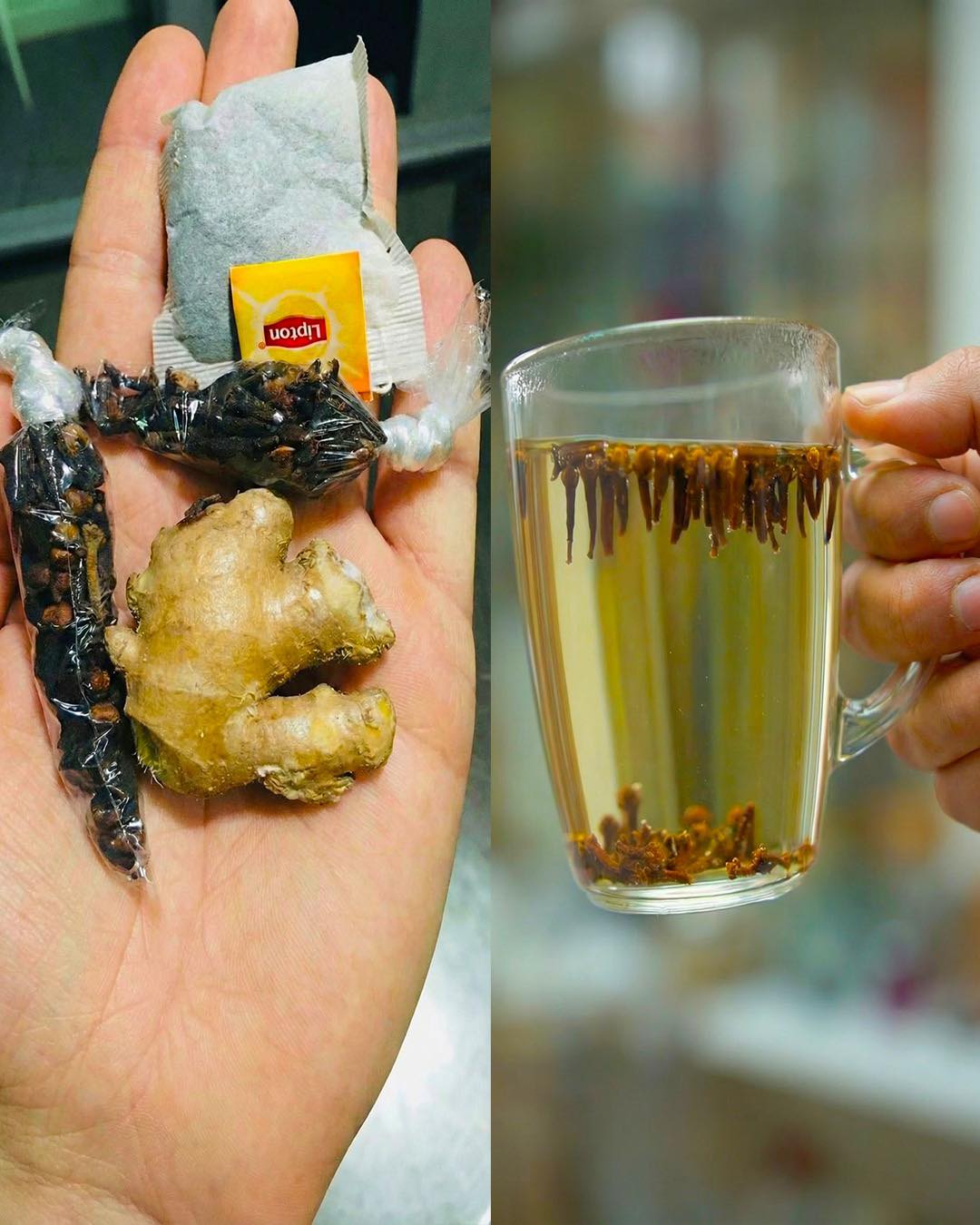
5) Synergy: Why Combining Them Can Feel More Powerful Than Taking Them Alone
Synergy doesn’t mean “magic.” It usually means:
- Different mechanisms, same direction:
- Tea polyphenols + clove phenolics + gingerols all contribute to an overall antioxidant / anti-inflammatory pattern in the body (in broad terms).
- Better sensory experience = better consistency:
If you enjoy the taste and feel, you’re more likely to drink it regularly—consistency often matters more than “super-doses.” - A more complete “wellness profile”:
- Ginger: digestive comfort and warming sensation
- Cloves: aromatic intensity + phenolics
- Black tea: alertness + flavonoids
Also, spice mixtures can sometimes show synergistic patterns in antioxidant activity depending on context and formulation (research is complex and not always directly applicable to home tea, but the concept exists in food science).
6) Health Benefits Deep Dive
A) Immune System Support (and cold/flu prevention realism)
What people want: “I don’t want to get sick.”
What science can honestly support: This drink may support immune function indirectly by improving hydration, providing polyphenols, and reducing inflammatory load—but it’s not a shield against infections.
How it may help:
- Polyphenols and antioxidants:
Cloves and black tea are rich in phenolic compounds that contribute to antioxidant activity. - Inflammation modulation:
Ginger and eugenol are both discussed in research contexts for anti-inflammatory effects. - Comfort support:
Warm liquids can soothe throat irritation and encourage fluid intake when you’re run down.
Practical immune-smart habits while using this drink:
- Keep it unsweetened (excess sugar can work against wellness goals)
- Pair with sleep, protein, fruits/veg, and enough calories
- Use it as a support, not a replacement for medical care
B) Digestive and Gut Health
This is where the blend often shines in real life.
Ginger’s role:
- Ginger is widely used for nausea and digestive comfort, and major reviews discuss ginger’s bioactives and digestive relevance.
- Many people find ginger reduces the “heavy” feeling after meals.
Black tea’s role:
- Tea can stimulate digestion for some people, but it can also be irritating for others if taken on an empty stomach (mainly due to caffeine/tannins).
Cloves’ role:
- Cloves are traditionally used for digestion, and their phenolic richness is well documented.
How to maximize digestive benefits:
- Drink after meals (not on an empty stomach if you’re sensitive)
- Use fresh ginger slices (often gentler and tastier than heavy powder)
- Don’t overdo cloves (they can get harsh fast)
C) Weight Management & Metabolism Boost
Let’s be very clear: this drink is not a fat burner.
But it can support weight goals through “small wins”:
1) Calorie displacement
If you replace:
- soda / sweet coffee drinks / energy drinks
with: - unsweetened clove-ginger black tea,
you may reduce daily calories significantly.
2) Appetite and routine
Warm, flavorful drinks can reduce “snacking boredom” for some people.
3) Gentle energy
Black tea provides caffeine (variable), which can improve alertness and activity drive in some people.
Smart metabolism-supporting version:
- Keep it unsweetened
- Drink earlier in the day if caffeine affects sleep (sleep is huge for weight regulation)
D) Respiratory Relief & Natural Anti-Inflammatory Effects
This is often described as a “cold weather” or “congestion season” drink.
Why it feels helpful:
- Ginger pungency can create a warming sensation in the throat/chest.
- Clove aroma can feel “clearing” (smell and sensation are powerful).
- Warm liquid helps with throat comfort and hydration.
Anti-inflammatory framing (science-aligned but careful):
- Ginger bioactives (gingerols/shogaols) are widely discussed for anti-inflammatory activity in research reviews.
- Eugenol is also studied for antioxidant/anti-inflammatory activity.
- Black tea polyphenols (theaflavins/thearubigins) are studied for health associations and molecular effects.
What it won’t do:
- It won’t cure asthma, pneumonia, or severe infections.
- It won’t replace inhalers, antibiotics, or professional care.
7) The Perfect Recipe: Ginger and Cloves Tea Recipe (with Lipton)
Read more on the second page below
