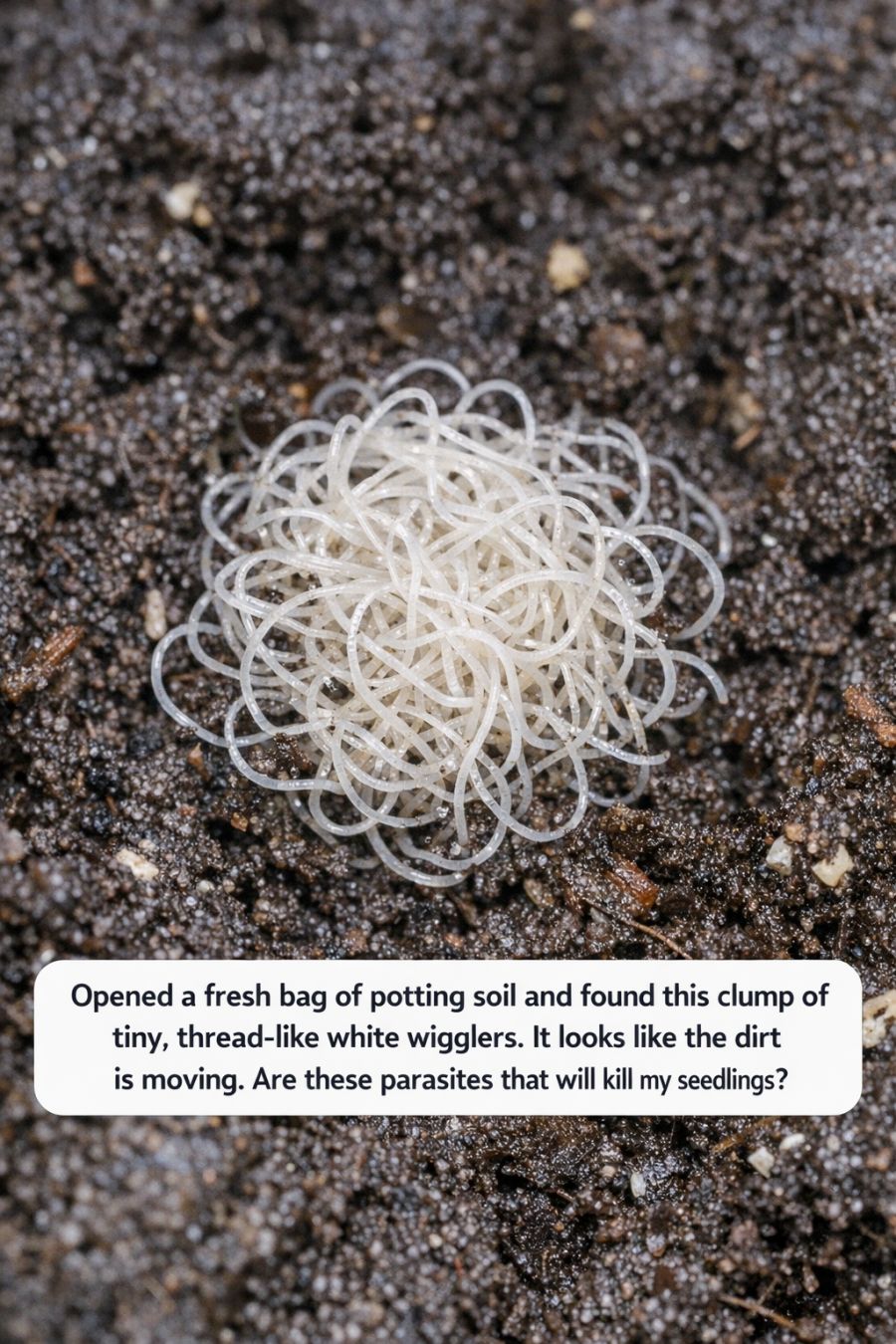
6. The Conditions That Make Potworms Thrive in Your Containers
Potworms thrive in conditions that are rich in organic material, moisture, and a slightly acidic to neutral pH. They are often found in soil that is consistently damp and contains decomposing plant material. The presence of these conditions in potting soil makes it an ideal habitat for potworm populations to flourish.
Overwatering or using soil with a high organic content can inadvertently create an environment where potworms can thrive. It’s important to balance soil moisture and organic content to manage potworm populations effectively.
7. When a Potworm Population Becomes a Problem for Seedlings
While potworms are generally harmless, their populations can sometimes grow to the point where they become a nuisance. In large numbers, potworms can compete with seedlings for nutrients, although this is relatively rare. Most healthy plants can coexist with a reasonable number of potworms without any issues.
Problems typically arise if the soil becomes too compacted due to excessive worm activity, which can affect root growth and water drainage. Monitoring potworm populations and maintaining optimal soil conditions can help prevent these issues.
8. Simple Ways to Reduce or Remove Potworms From Potting Soil
If you find that potworm populations are becoming too large, there are several methods to reduce their numbers. One effective way is to allow the soil to dry out slightly between waterings, as potworms prefer moist conditions. Reducing moisture levels can help control their population.
Another method is to introduce beneficial nematodes or predatory insects that naturally control potworm numbers. Additionally, you can manually remove them by gently sifting through the soil. Regularly turning the soil can also disturb their habitat and keep their numbers in check.
9. Preventing Future Potworm Surprises in Stored Potting Mix
To prevent potworms from appearing in stored potting mix, store your soil in a cool, dry place. Ensure that the bags are sealed tightly to prevent moisture from getting in. You can also consider using airtight containers for storage to create an inhospitable environment for potworms.
When possible, purchase potting soil from reputable sources and check for signs of infestation before bringing it home. Regularly inspecting and maintaining your stored soil can help prevent future surprises when you open a fresh bag.
10. When to Worry: Other White Soil Critters That Aren’t Potworms
While potworms are harmless, there are other white soil critters that may cause concern. Fungus gnat larvae, for instance, are also small and white, but they can damage plant roots if left unchecked. These larvae tend to be more translucent and are often found in the upper layers of soil.
Another potential concern is root aphids, which can cause yellowing and stunted growth in plants. They are typically found clinging to roots and have a softer, waxy appearance. If you suspect a harmful pest, identifying them correctly and taking appropriate action is crucial to protecting your plants. Consulting with a gardening expert can help you accurately diagnose and address the issue.
