6. Quick At-Home Checks to Diagnose a Problem Flame Safely
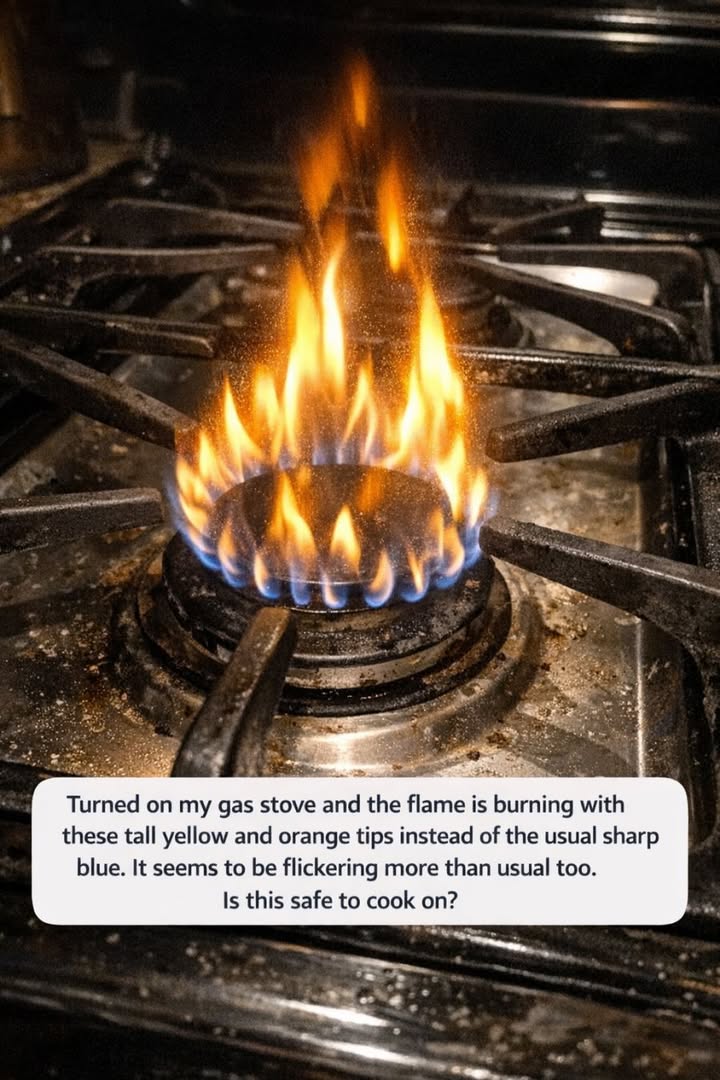
If you notice a yellow or orange flame, there are several checks you can perform safely at home. First, examine the burners for any visible debris or grease buildup. Cleaning the burners with warm, soapy water and a brush can often resolve minor issues.
Next, ensure that the burner ports are clear and unobstructed. You can use a pin or needle to gently clear any blockages in the ports. Additionally, check that the gas supply is not restricted and that the control knobs are functioning properly.
7. When It’s Still Safe to Cook — and When to Turn the Stove Off
If the flame is only slightly yellow and the issue is intermittent, it might still be safe to cook as long as the kitchen is well-ventilated. However, if the flame is consistently yellow or orange, flickering excessively, or accompanied by a strange odor, it’s best to turn off the stove and investigate further.
Safety should be the priority. If you’re unsure about the severity of the issue, err on the side of caution and avoid using the stove until the problem is resolved. Continuing to cook with a problematic flame can pose serious health risks.
8. Step-By-Step Cleaning Tips to Restore a Sharp Blue Flame
Restoring a sharp blue flame often involves cleaning the burners thoroughly. Start by removing the burner grates and caps, and soak them in warm, soapy water. Use a brush to scrub away any grease or food residue.
For the burner ports, use a pin or needle to clear any blockages. Rinse the components with clean water and allow them to dry completely before reassembling. Regular cleaning and maintenance can prevent many common issues with gas stove flames.
9. When to Call a Pro: Gas Fitters, Landlords, and Utility Companies
If cleaning the burners does not resolve the issue, it may be time to call in a professional. Gas fitters have the expertise to diagnose and repair complex issues with gas appliances. They can check for gas leaks, adjust the air-to-gas ratio, and ensure that your stove is operating safely.
If you rent your home, inform your landlord of the issue so they can arrange for repairs. In some cases, utility companies offer inspection services to ensure the safety of your gas appliances. It’s important to address any persistent issues promptly to avoid potential hazards.
10. Essential Carbon Monoxide Alarms and Kitchen Safety Habits
Installing carbon monoxide alarms in your home is a simple yet effective way to protect your family from CO exposure. These alarms will alert you if CO levels become dangerously high, allowing you to take action before it’s too late.
Additionally, adopting good kitchen safety habits, such as ensuring proper ventilation, keeping the stove clean, and regularly inspecting gas appliances, can help maintain a safe cooking environment. Being proactive about safety can prevent accidents and ensure peace of mind.
11. Red-Flag Warning Signs You Should Never Ignore Around Gas Appliances
Certain warning signs should never be ignored when it comes to gas appliances. These include a persistent yellow or orange flame, strange odors, hissing sounds, or soot buildup around the stove. These could indicate a gas leak or other serious issue that requires immediate attention.
If you notice any of these red flags, turn off the gas supply immediately and contact a professional. Ignoring these signs can lead to dangerous situations, including fire hazards and health risks. Always prioritize safety when dealing with gas appliances.
