Celebrate Independence Day in style! Grab this amazing 4th of July T-shirt before it’s gone.
🚨 Selling fast — shop now on Etsy!




For many of us, the washing machine is a household staple that quietly performs its duty day in and day out. We load it with clothes, add detergent, and expect it to deliver fresh, clean laundry without much thought.
But how often do we consider the cleanliness of the machine itself? After a decade of use, I decided it was time to give my washing machine a thorough cleaning. Inspired by online suggestions and the increasing popularity of unconventional cleaning hacks, I embarked on an experiment. I ran a dishwasher tablet through my empty washing machine to see if it could rejuvenate my trusty appliance.
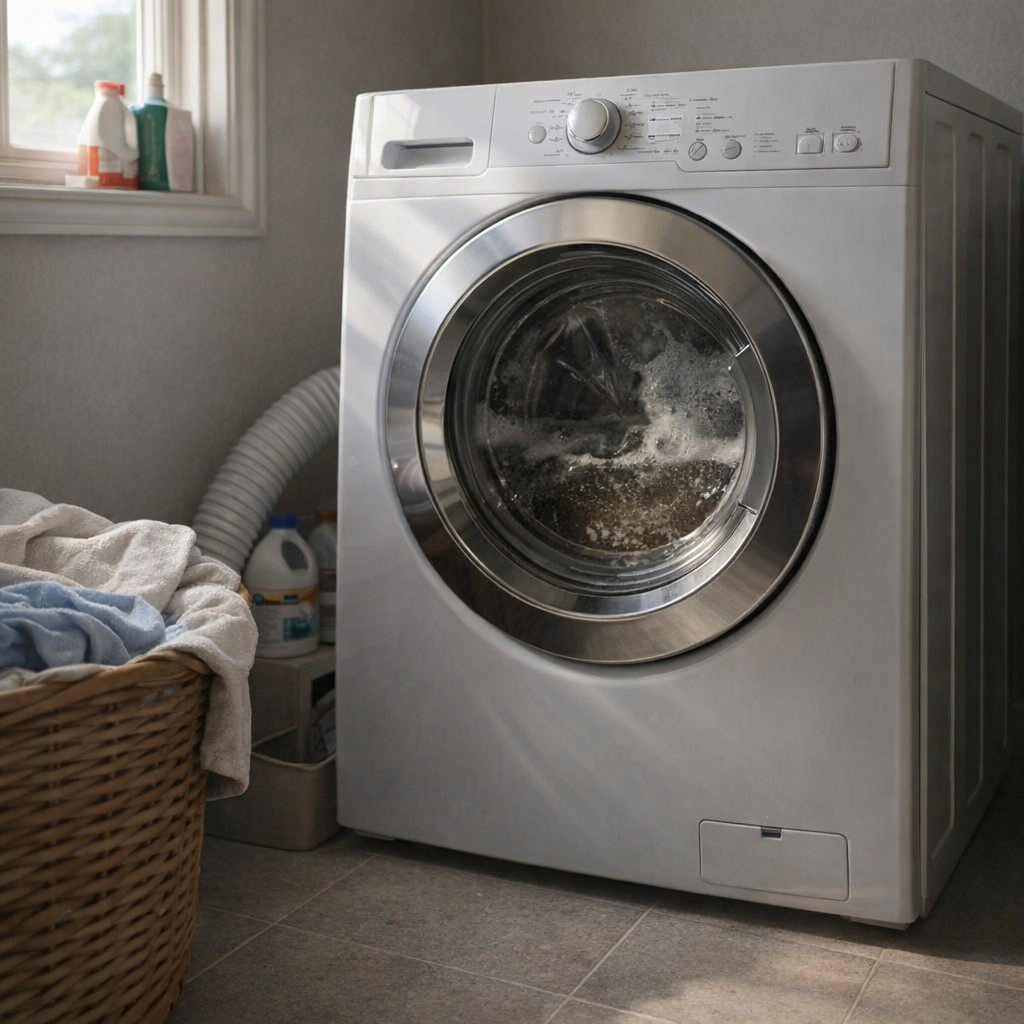
The dishwasher tablet method is touted by some as an effective way to combat the grime and buildup that accumulates over time inside washing machines. The logic is simple: dishwasher tablets are designed to cut through grease and dissolve tough stains, so they should, in theory, be able to tackle the soap scum and detergent residue lurking inside my washer.
Curious about the results and potential benefits, I decided to give it a try and document what happened.
1. Why I Turned To A Dishwasher Tablet After A Decade
After ten years of consistent use, my washing machine had developed a faint but persistent musty odor. I’d tried various commercial washing machine cleaners, but the results were often underwhelming. Online forums and cleaning blogs frequently mentioned the use of dishwasher tablets as a secret weapon against washer grime. Proponents argued that the powerful cleaning agents in these tablets could dissolve the residue left by regular detergents and the minerals from hard water.
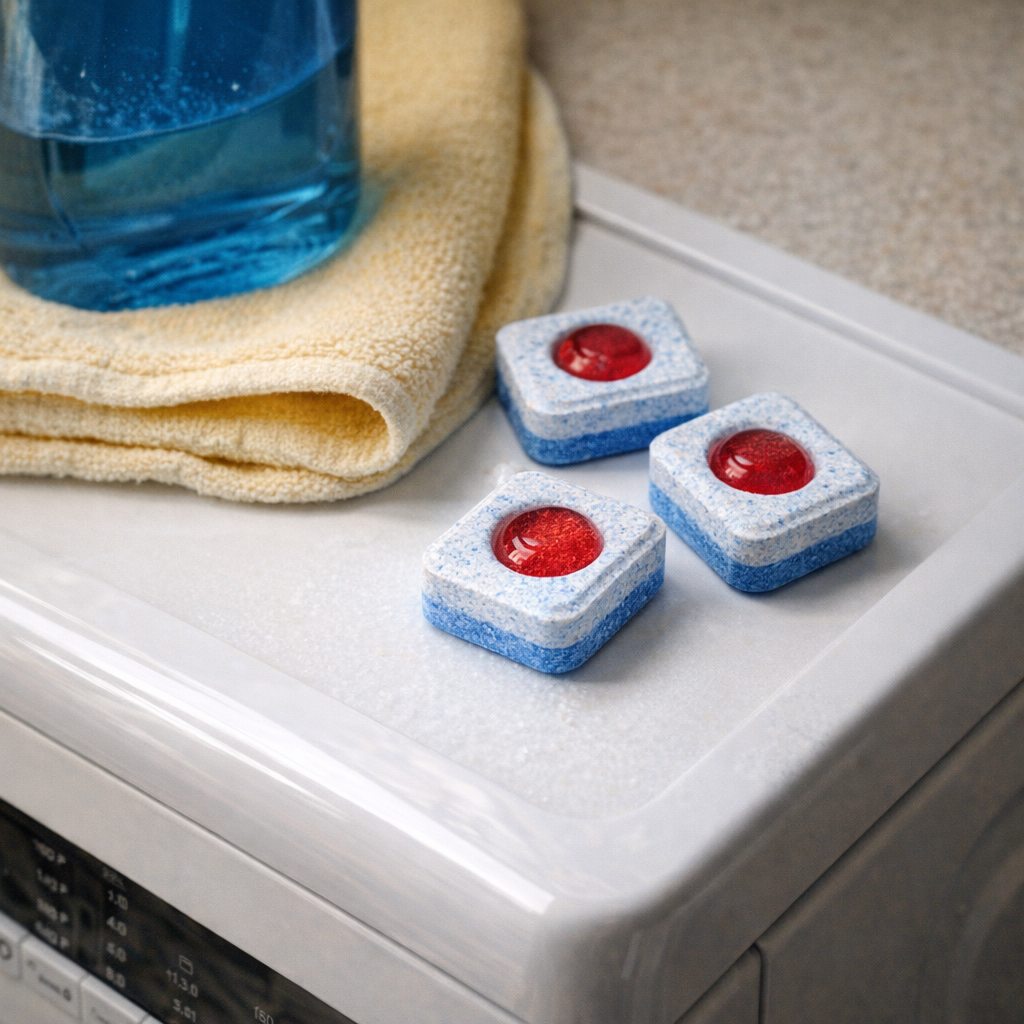
Feeling adventurous and somewhat desperate to eliminate the odor, I decided to test this method. Dishwasher tablets contain enzymes and chemicals designed to break down food particles and grease, which seemed like a promising solution for my washing machine woes. I wanted to see if this easily accessible and inexpensive cleaning hack could breathe new life into my decade-old appliance.
2. Prepping A 10-Year-Old Washing Machine For The Experiment
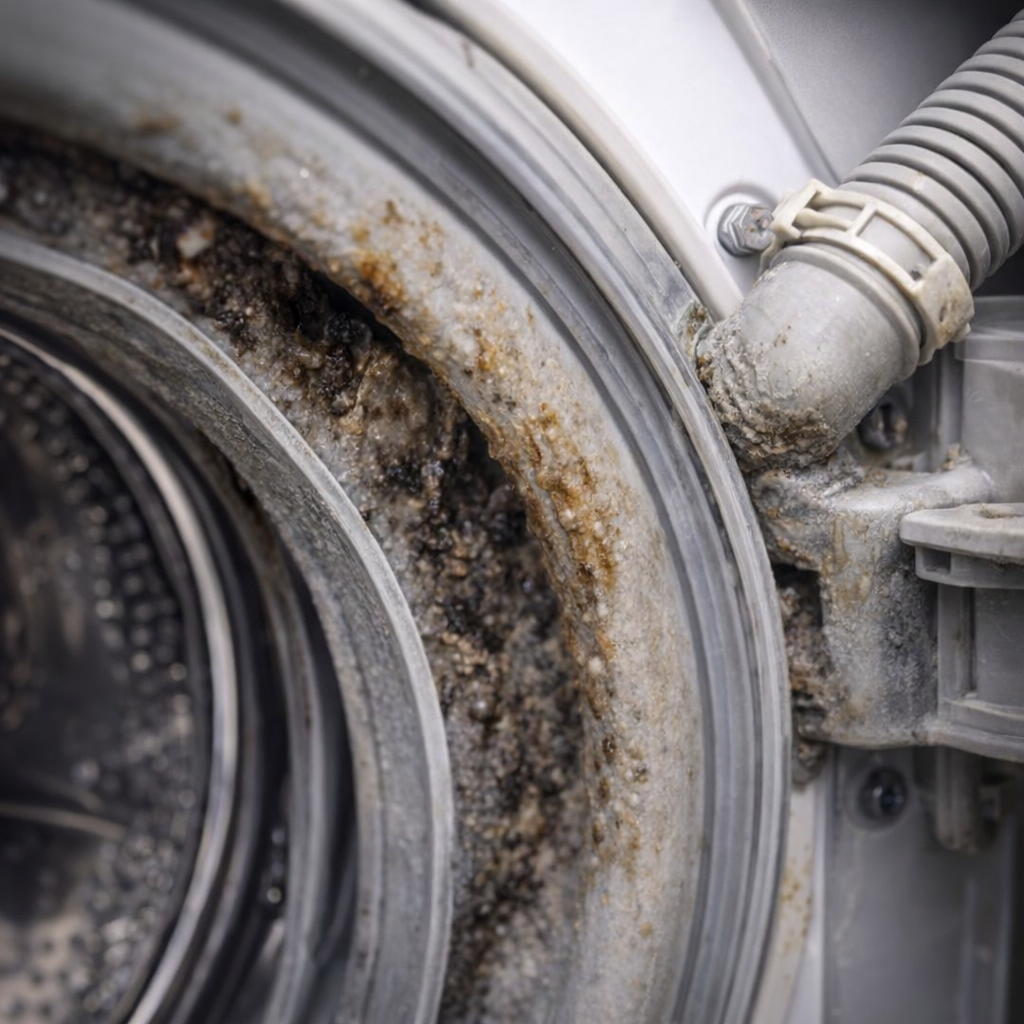
Before starting the experiment, I made sure to prepare my washing machine for the cleaning cycle. I removed any remaining laundry and checked the drum for loose items or lingering debris. I also inspected the rubber door seal, which, over the years, had collected lint and dirt. A quick wipe with a damp cloth removed most of the surface grime.
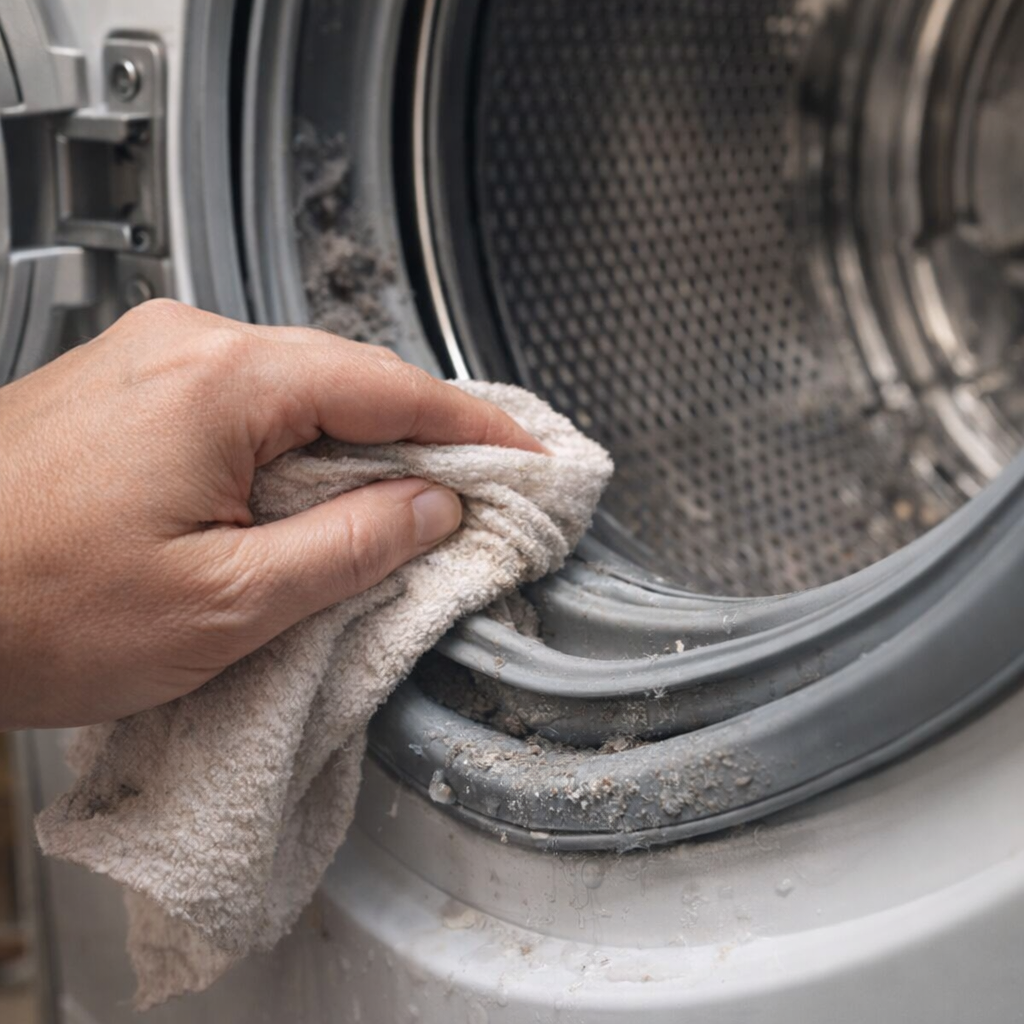
Next, I cleaned out the detergent drawer, where a surprising amount of caked-on detergent had accumulated. Using a mixture of vinegar and baking soda, I scrubbed the drawer clean to ensure that no additional residue would interfere with the dishwasher tablet’s effectiveness. With the washing machine prepped and ready, I was eager to see how the tablet would perform.
3. Dropping In The Tablet: Cycle Settings, Water Temp, And Timing
I selected a hot water wash cycle, which in my machine defaults to a temperature of 60°C (140°F). This high temperature would help the dishwasher tablet dissolve quickly and activate its cleaning agents. I opted for a standard cycle, which runs for approximately one hour, to give the tablet ample time to work its magic.
With the settings chosen, I placed the dishwasher tablet directly into the drum of the empty washing machine. I decided against placing it in the detergent drawer to ensure it would dissolve fully and circulate throughout the entire machine. As I pressed the start button, I was curious to see what changes, if any, would occur.
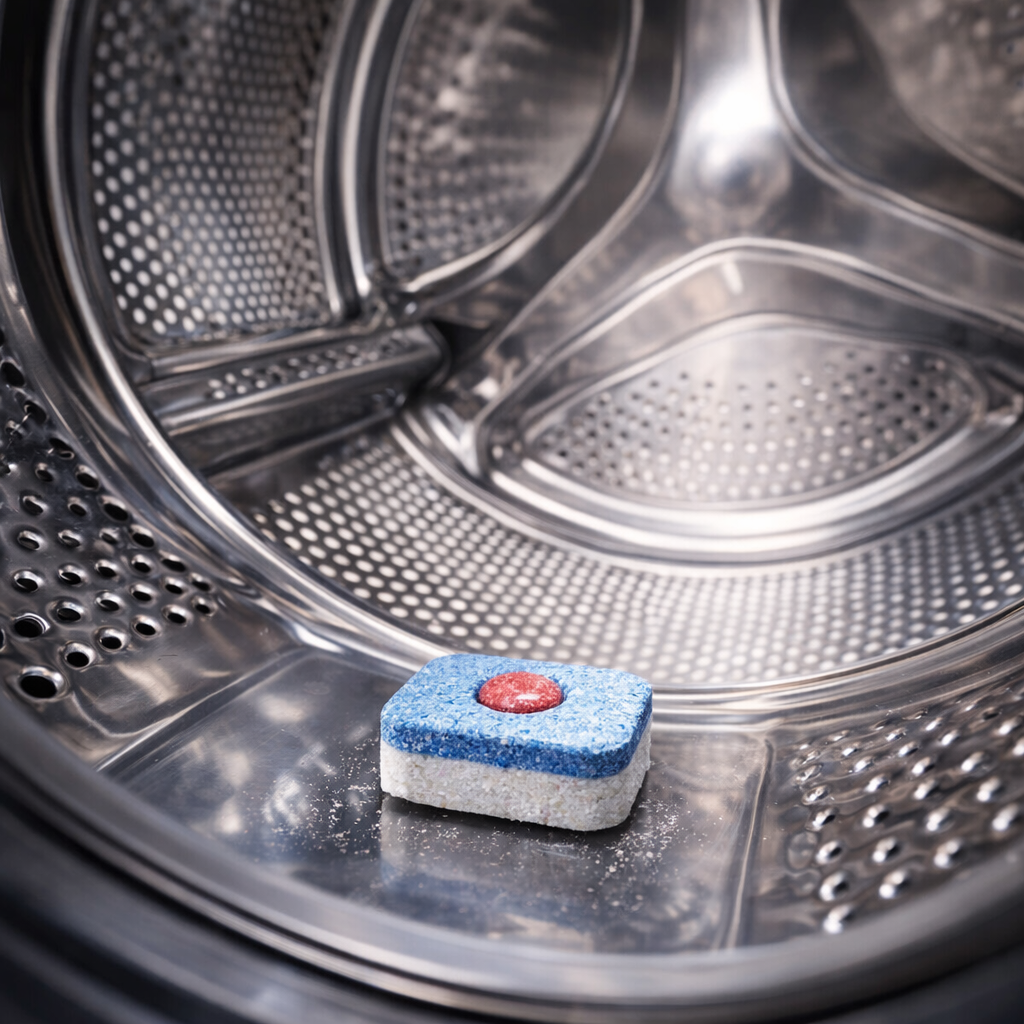
4. The Surprising Smells (And Sounds) During The Wash
As the cycle began, I noticed a subtle yet distinct scent emerging from the machine. It was a clean, citrus-like aroma, likely from the fragrance added to the dishwasher tablet. This was a welcome change from the musty odor that typically accompanied my washing cycles.
Interestingly, the sound of the wash cycle was slightly different. There was a bit more splashing and gurgling than usual, perhaps due to the tablet dissolving and frothing inside the drum. The noises were not alarming, but they did make me more aware of the cleaning process taking place.
Celebrate Independence Day in style! Grab this amazing 4th of July T-shirt before it’s gone.
🚨 Selling fast — shop now on Etsy!
5. What The Drum Looked Like When I Opened The Door
Upon completion of the cycle, I eagerly opened the washing machine door to inspect the drum. The interior looked noticeably shinier, and the stainless steel drum appeared to have regained some of its original luster. The rubber door seal, which I had only wiped down superficially, seemed cleaner as well.
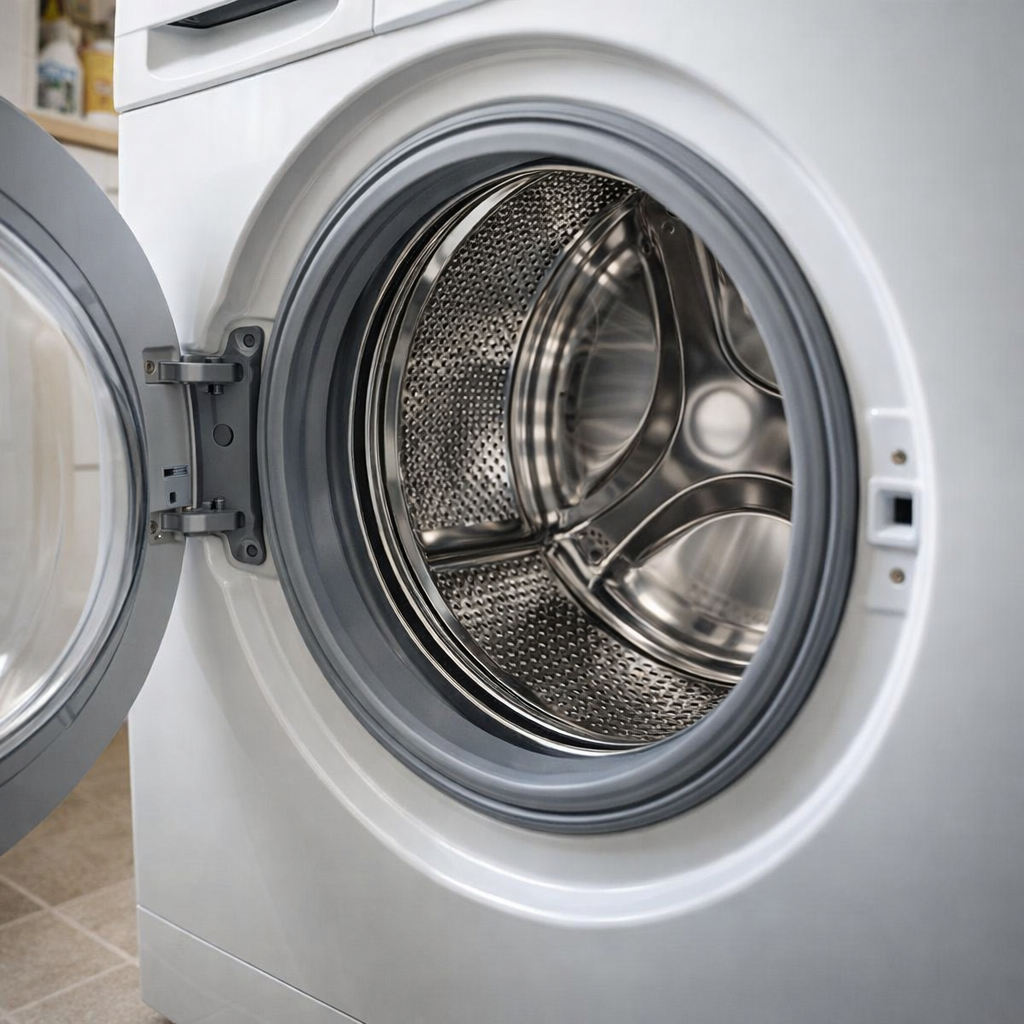
The once dull and slightly grimy surfaces now had a refreshed appearance, and the air inside the drum smelled significantly fresher. The visual change was subtle but definitely noticeable, suggesting that the dishwasher tablet had indeed made a difference.
6. The Hidden Gunk The Tablet Flushed Out
As I examined the drum, I noticed small bits of debris and gunk that had been dislodged and expelled during the cycle. These remnants, likely a mix of detergent residue and mineral deposits, were evidence of the deep cleaning action taking place.
The filter at the bottom of the machine also contained more debris than usual, indicating that the tablet had loosened and flushed out hidden filth from the machine’s inner workings. I was relieved to see these results, as it confirmed that the dishwasher tablet had effectively tackled the buildup I was hoping to remove.
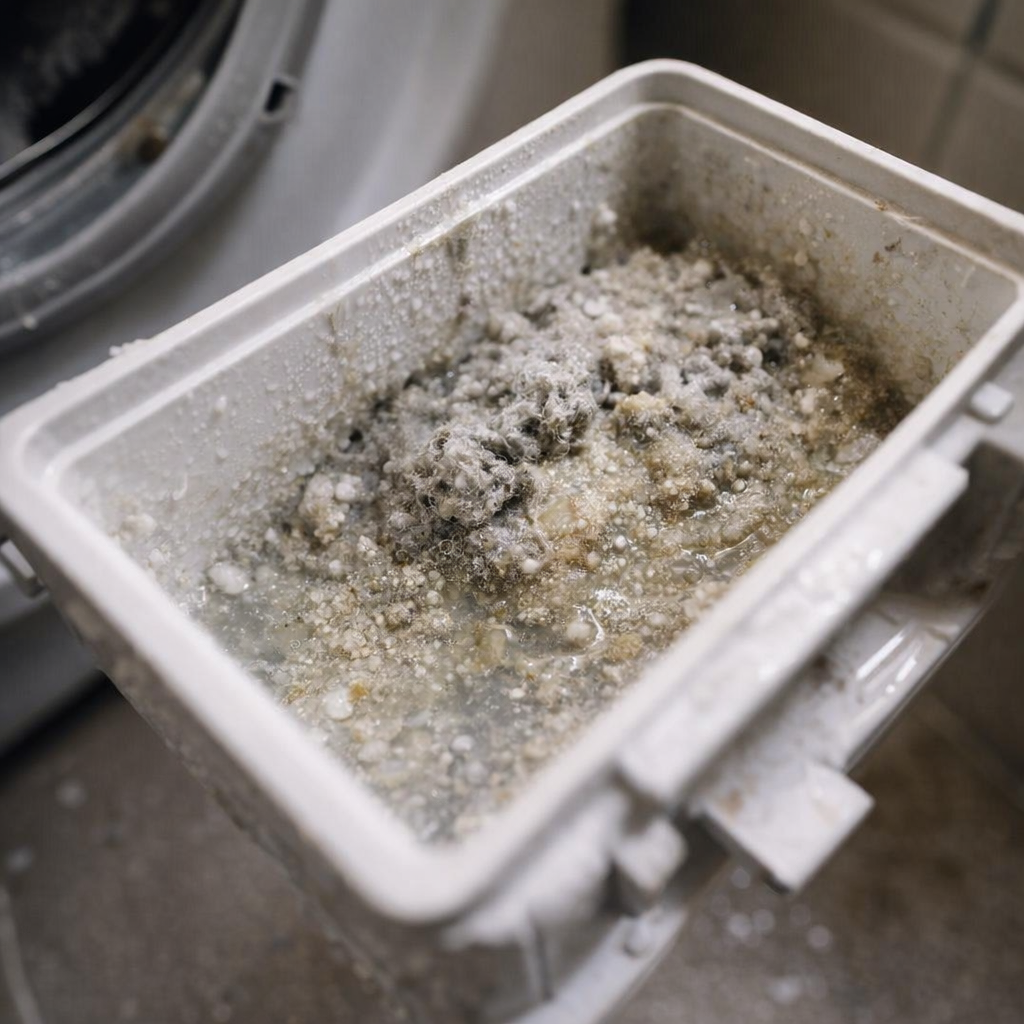
7. Did It Actually Get Rid Of That Musty Washing Machine Odor?
After the cycle ended and the machine had aired out, I performed a quick smell test. The musty odor that had plagued my washing machine for months was noticeably diminished, replaced by a fresh, clean scent. It seemed that the dishwasher tablet had succeeded where other cleaning methods had failed.
While the scent was not completely gone, it was significantly less pronounced, suggesting that the tablet had addressed the root of the problem. The improvement in odor was enough to convince me that this method was worth considering as a regular maintenance routine.
8. How The Next Load Of Laundry Turned Out
With the machine cleaned, I decided to run a load of laundry to see if there was any noticeable difference in the results. I loaded the machine with a typical mix of clothes and added my usual detergent. The wash cycle proceeded without incident, and I was curious to see if the cleaning had any impact on my laundry.
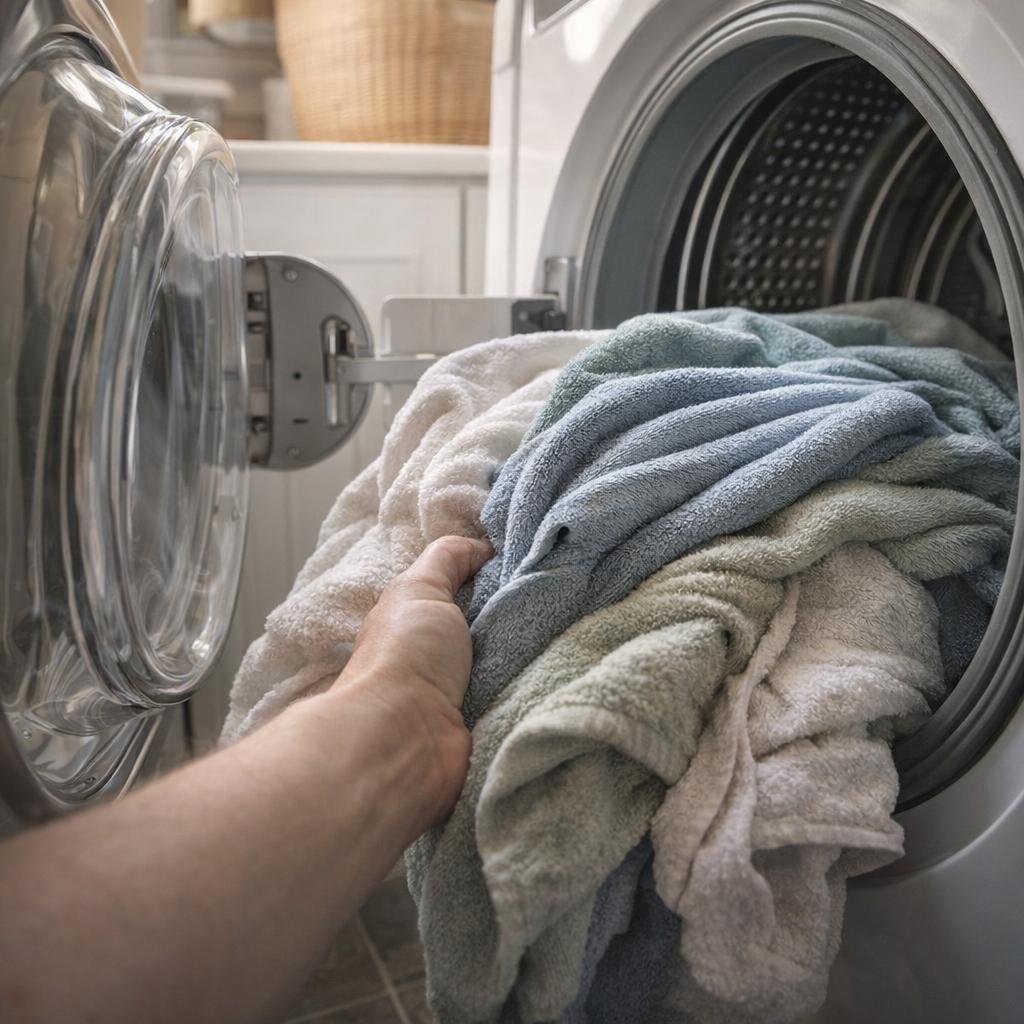
When I retrieved the clothes, they seemed to be slightly softer and carried a fresher scent than usual. The absence of the musty odor was a pleasant surprise, and the clothes appeared to be as clean as ever. It seemed that the dishwasher tablet had not only improved the machine but also enhanced the quality of the wash.
9. What Appliance Experts Say About Using Dishwasher Tablets
Curious about the broader implications of my experiment, I reached out to a few appliance experts to get their take on using dishwasher tablets in a washing machine. The consensus was cautious optimism. While dishwasher tablets can effectively clean certain aspects of a washing machine, they are not specifically formulated for this purpose.
Experts warned that regular use of dishwasher tablets might not be advisable, as the powerful cleaning agents could potentially damage delicate components over time. However, they acknowledged that occasional use, such as in my case, could serve as an effective deep cleaning method if done carefully.
10. Risks, Warnings, And What I’d Do Differently Next Time
Reflecting on the experiment, I considered the potential risks and precautions I’d take if I were to repeat it. One concern is the possibility of the tablet’s chemicals being too harsh on certain machine parts, such as rubber seals and hoses, if used frequently.
Next time, I would likely use a washing machine cleaner specifically designed for the appliance to avoid any potential damage. Additionally, I would research and follow manufacturer guidelines to ensure I’m not voiding any warranties or causing long-term harm.
11. Will I Use Dishwasher Tablets In My Washer Again?
Despite the risks, the positive results of my experiment have convinced me that using a dishwasher tablet can be a valuable tool in maintaining a clean and odor-free washing machine. While I won’t make it a regular practice, I would consider using one periodically, perhaps once every six months, to give my machine a deep clean.
Overall, the experience was enlightening, and it provided a practical solution to an ongoing problem. For anyone struggling with similar issues, I recommend considering this method as a supplementary cleaning routine, while keeping in mind the potential risks and consulting with experts when in doubt.
Celebrate Independence Day in style! Grab this amazing 4th of July T-shirt before it’s gone.
🚨 Selling fast — shop now on Etsy!
