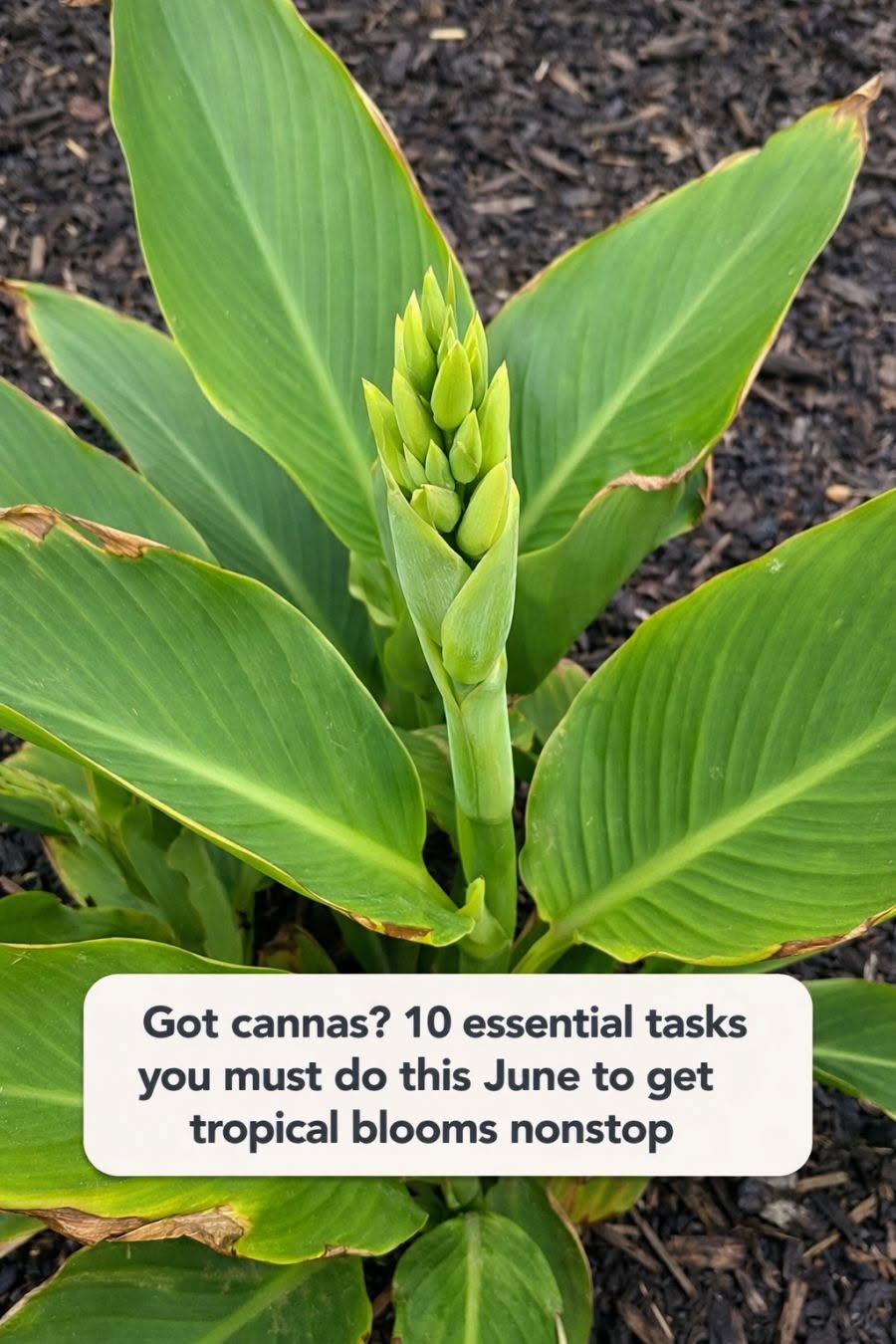

Cannas, with their bold foliage and vibrant blooms, are a staple in any garden seeking to exude a tropical flair. Known for their resilience and eye-catching flowers, these plants can transform a garden into a lush paradise. However, to keep them blooming nonstop throughout the summer, there are essential tasks that need to be undertaken in June.
June marks a critical period for cannas, as the temperatures rise and the plants begin to flourish. This is the ideal time to ensure that your cannas are getting the care they need to thrive. From fertilizing to pest control, taking these proactive steps will not only enhance their growth but will also ensure a continuous display of exotic blooms well into the late summer months.
1. Deadhead Spent Blooms To Keep Flowers Coming
Deadheading is a simple yet vital task that encourages cannas to produce more flowers. By removing spent blooms, you prevent the plant from directing energy into seed production. Use sharp, clean scissors or pruners to cut the flower stalk just above the nearest leaf node. This will stimulate the plant to produce new flower spikes.
Regularly deadheading throughout June will ensure that your cannas remain in a state of continual bloom. Make it a habit to check your plants weekly, as this will not only keep them looking tidy but will also maximize their flowering potential.
2. Divide And Replant Crowded Clumps For Bigger Displays
Cannas tend to grow in tight clumps, and if left undivided, they can become overcrowded, leading to smaller blooms. June is an ideal time to divide and replant them, as the soil is warm and the plants are actively growing. Carefully dig up the clump, and use a sharp knife to separate the rhizomes, ensuring each piece has at least one growing point.
Replant the divisions about 12 to 18 inches apart, depending on the variety. Water them thoroughly after replanting to help them settle in. This not only rejuvenates the plants but also provides an opportunity to spread the beauty of cannas throughout your garden.
3. Feed Cannas With A June Dose Of High-Potash Fertilizer
Cannas are heavy feeders, and to support their lush growth and prolific blooming, they require regular feeding. In June, apply a high-potash fertilizer to encourage strong flower production. Look for a balanced fertilizer with a higher potassium content, such as a 5-10-10 blend.
Spread the fertilizer around the base of the plants, avoiding direct contact with the stems, and water it in well. This will help the nutrients reach the root zone, promoting vigorous growth and vibrant blooms throughout the season.
4. Water Deeply And Mulch Heavily To Lock In Moisture
Consistent moisture is crucial for cannas, especially as the summer heat intensifies. Water them deeply, ensuring the soil is moist at least 6 inches below the surface. This encourages deep root growth, making the plants more resilient to dry spells.
To retain moisture and suppress weeds, apply a 2 to 3-inch layer of organic mulch around the base of the plants. This will not only conserve water but also improve soil structure as it breaks down, providing additional nutrients to your cannas.
5. Stake Tall Varieties Before Summer Storms Hit
Some canna varieties can reach heights of 6 feet or more, making them susceptible to being knocked over by strong winds or heavy rains. To prevent this, stake them early in the season. Use sturdy bamboo stakes or metal supports, and tie the stems loosely to the stakes with garden twine.
Check the stakes regularly and adjust ties as needed to accommodate growth. This support system will ensure that your cannas remain upright and continue to showcase their stunning blooms, even in adverse weather conditions.
6. Patrol Daily For Canna Leaf Rollers And Other Pests
Canna leaf rollers and other pests can quickly damage the foliage and diminish the plant’s vigor. Inspect your plants daily, looking for signs of rolled leaves or chewed edges. If you spot any pests, remove them by hand or use an insecticidal soap to treat the affected areas.
Maintaining a regular patrol schedule helps catch infestations early, minimizing damage and ensuring your cannas remain healthy and vibrant. Additionally, encourage beneficial insects like ladybugs and lacewings, which naturally keep pest populations in check.
7. Strip Yellowing Leaves And Tidy Stems For Fresh Growth
As the season progresses, some canna leaves may begin to yellow or die back. Removing these spent leaves not only improves the plant’s appearance but also encourages fresh growth. Use scissors or pruners to trim away yellowing or damaged leaves at the base.
Regular tidying ensures that the plants direct their energy towards producing new leaves and flowers, rather than sustaining old, unproductive foliage. This practice helps maintain the overall health and vigor of your cannas throughout the growing season.
8. Check Containers And Upsize Pots Before Roots Stall
Cannas grown in containers require special attention, as their roots can quickly outgrow the space. Check the drainage holes for escaping roots or signs of root circling. If the plant seems root-bound, it’s time to upsize to a larger pot.
Select a container that is at least 2 to 3 inches larger in diameter than the current one, and ensure it has adequate drainage. Refresh the potting mix with a nutrient-rich blend, and water thoroughly after transplanting. This will give your cannas the space they need to continue thriving.
9. Boost The Tropics: Companion-Plant For Continuous Color
Enhance the tropical feel of your garden by pairing cannas with complementary plants. Choose companions that offer contrasting textures and colors, such as elephant ears, bananas, or coleus. These plants not only complement the bold foliage of cannas but also provide continuous color and interest.
Consider planting low-growing annuals like marigolds or petunias at the base of your cannas to fill in gaps and create a lush, layered effect. Strategic companion planting can transform your garden into a vibrant, cohesive display that lasts all season long.
10. Snap Photos And Track Varieties To Plan Next Season
Documenting your cannas throughout the growing season is a valuable practice. Take photos to capture the progression of blooms and note the performance of different varieties. This visual record will help you plan and make informed decisions for next year’s planting.
Keep a garden journal to track bloom times, growth habits, and any pest or disease issues you encounter. By understanding what works best in your garden, you can refine your approach and ensure an even more spectacular display of cannas in the future.
