6. Step-By-Step: Exactly How to Apply It to Your Hands
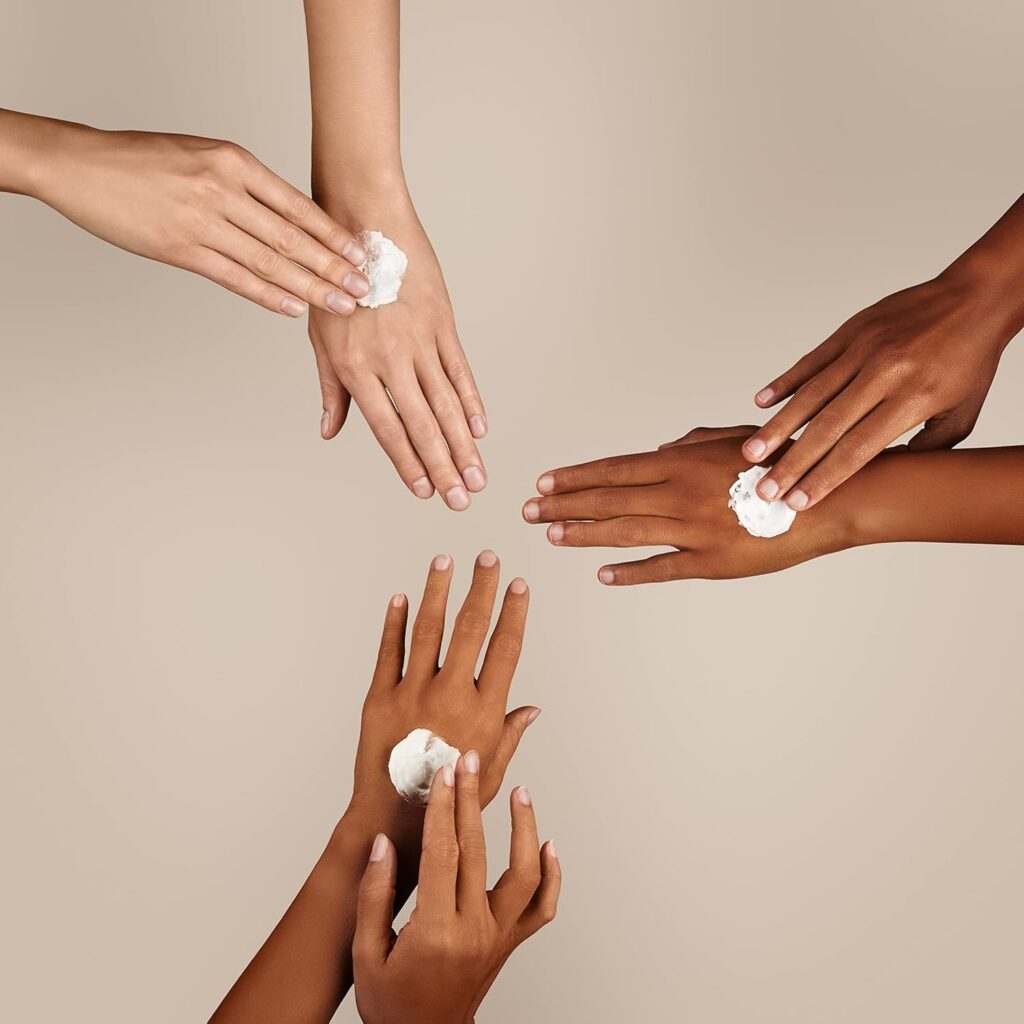
To apply retinol to your hands effectively, start by washing your hands with a gentle cleanser to remove any dirt or oils. Pat them dry with a clean towel.
Next, apply a pea-sized amount of retinol cream or serum to the back of your hands. Gently massage it into the skin in circular motions, ensuring even coverage. It’s best to apply retinol at night, as it can make your skin more sensitive to sunlight.
After applying retinol, wait a few minutes for it to absorb before applying a moisturizer to lock in hydration. Always follow up with sunscreen during the day to protect your skin from UV damage.
7. When You’ll See Results: Realistic Timelines and Before–After Changes
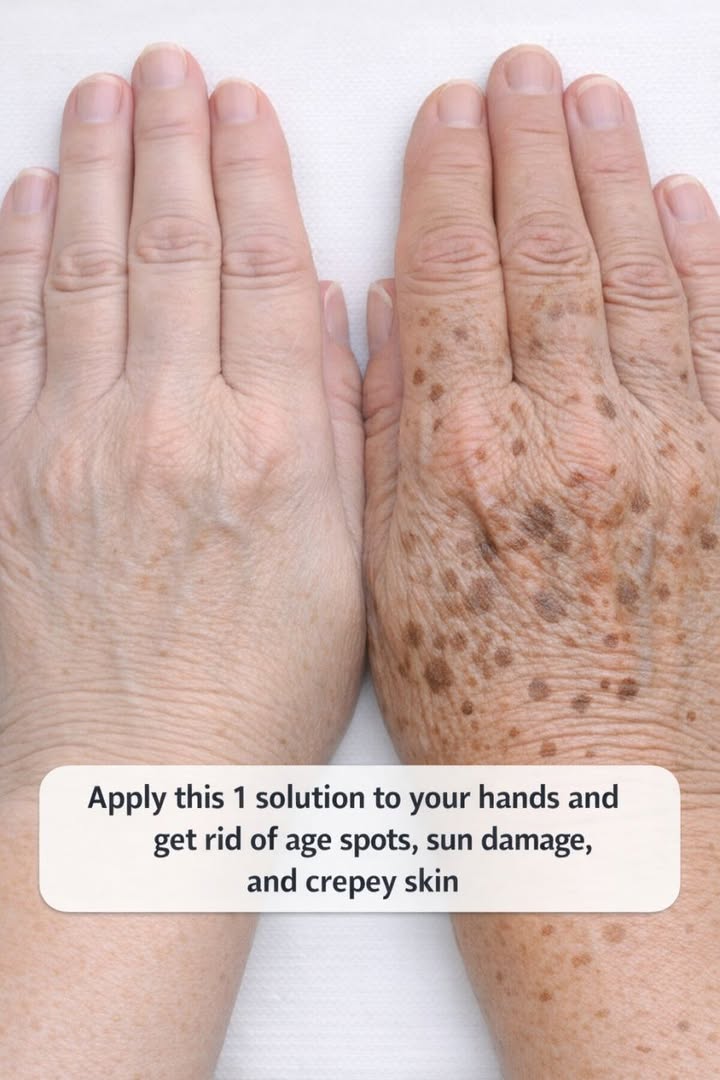
The time it takes to see results from retinol can vary depending on the individual’s skin type and the severity of their skin issues. Generally, users may start noticing improvements in skin texture and tone within 4 to 8 weeks of consistent use.
Significant fading of age spots and reduction in crepey skin may take longer, typically around 3 to 6 months. Consistency is key, and improvements will continue with ongoing use. It’s important to take before-and-after photos to track your progress over time.
8. Common Mistakes That Make Hand Damage Worse
One common mistake is using too much retinol, which can lead to irritation and increased sensitivity. It’s crucial to start with a lower concentration and gradually build up tolerance.
Another mistake is neglecting to apply sunscreen. Retinol can make your skin more susceptible to sunburn, so daily sunscreen use is non-negotiable. Additionally, inconsistent application of retinol can hinder results, so it’s important to maintain a regular routine.
9. Safe Use, Side Effects, and Who Should Avoid This Treatment
While retinol is generally safe for most people, it may cause irritation, redness, or dryness, especially when first introduced. To minimize these effects, start with a lower concentration and gradually increase as your skin builds tolerance.
Individuals with very sensitive skin, eczema, or rosacea should consult a dermatologist before using retinol. Pregnant or breastfeeding women are also advised to avoid retinol products due to potential risks to the baby.
10. Boosting Results: Daily Habits That Supercharge the Solution
To enhance the effects of retinol, incorporate a balanced diet rich in antioxidants, which help to protect the skin from environmental damage. Foods high in vitamin C and E can support skin health and complement retinol’s benefits.
Staying hydrated and using a quality moisturizer will keep your skin supple and aid in the repair process. Regular exfoliation, using gentle methods, can also help to remove dead skin cells, allowing retinol to penetrate more effectively.
11. What to Use If This One Solution Isn’t Enough
If retinol alone doesn’t yield the desired results, consider combining it with other treatments such as chemical peels or laser therapy, which can further enhance skin tone and texture.
Additionally, products containing niacinamide or hyaluronic acid can complement retinol by offering anti-inflammatory benefits and extra hydration. Consulting with a dermatologist can provide personalized recommendations based on your specific skin needs.
This post contains affiliate links
diy-garden-home.opinoyo.com/ does not give medical advice, diagnosis, or treatment.
