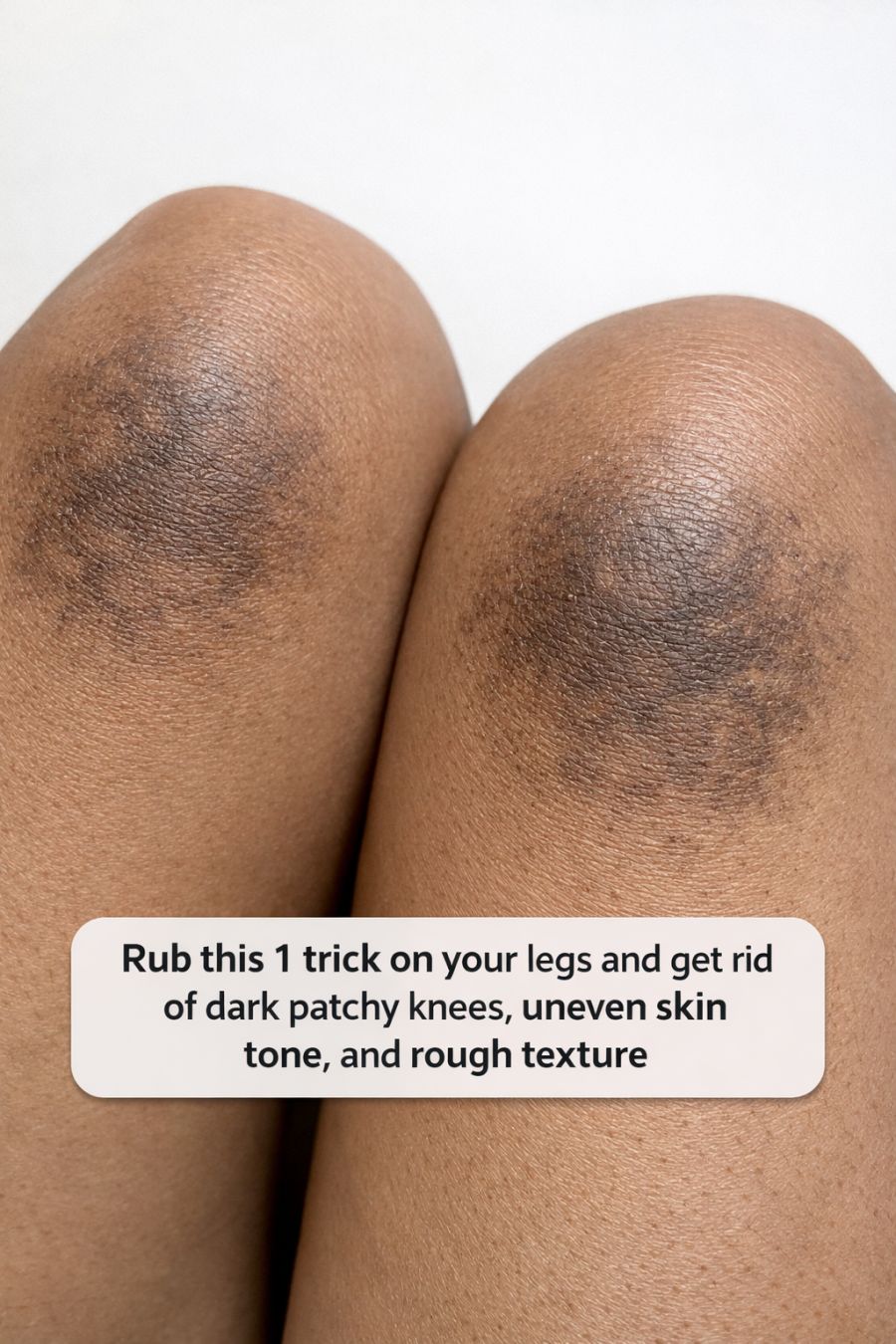

Many people struggle with the appearance of their knees, noticing dark patches, uneven skin tone, or rough texture. These issues can make one feel self-conscious, especially when wearing shorts or skirts. Fortunately, there’s a simple solution that can help you achieve smoother, brighter legs.
In this article, we will explore a dermatologist-approved trick that can transform your knees and legs. You’ll learn what causes these common skin issues and how you can effectively address them with a straightforward at-home remedy.
1. What Causes Dark Patchy Knees And Uneven Leg Skin Tone?
Dark patchy knees and uneven skin tone on the legs are often caused by a combination of factors. Excessive friction from clothing, prolonged kneeling, and lack of proper moisturization can lead to hyperpigmentation. The skin on the knees is thicker and contains fewer oil glands, making it more prone to dryness and rough texture.
Additionally, sun exposure can exacerbate pigmentation issues, as UV rays stimulate melanin production, leading to dark spots. Genetic predisposition and hormonal changes, such as those experienced during pregnancy or puberty, can also contribute to uneven skin tone and texture.
2. The 1 Trick Dermatologists Swear By For Smoother, Brighter Legs
Dermatologists often recommend using a combination of lemon juice and baking soda as an effective remedy for dark and rough knees. Lemon juice is a natural bleaching agent and contains vitamin C, which helps in lightening the skin. Baking soda acts as a gentle exfoliant, removing dead skin cells and promoting new cell growth.
To create this mixture, combine the juice of one lemon with two tablespoons of baking soda. Mix until it forms a paste, which you can then apply to the affected areas for a short period.
3. How To Prep Your Legs So The Trick Actually Works
Before applying the lemon and baking soda mixture, it’s important to prepare your legs properly. Start by washing your legs with a gentle cleanser to remove any dirt or oil. Pat them dry with a clean towel.
Exfoliating your legs with a loofah or scrub can help remove surface dead skin cells, allowing the mixture to penetrate more effectively. Ensure your skin is completely dry before applying the paste to avoid dilution.
4. Step-By-Step Guide: Exactly How To Rub This Trick Onto Your Knees
Begin by applying the lemon and baking soda paste directly onto your knees. Use gentle circular motions to rub the paste into your skin for about 2-3 minutes. This will help with exfoliation and ensure even application.
Leave the paste on for another 10 minutes to allow the properties of lemon and baking soda to work on the pigmentation and roughness. Rinse off with lukewarm water and gently pat dry. Repeat this process twice a week for best results.
5. The Science: Why This Simple Rub Changes Texture And Tone
Lemon juice contains citric acid, which is a natural alpha hydroxy acid (AHA) known for its skin-lightening and exfoliating properties. It helps in breaking down dead skin cells and promoting new cell growth, resulting in brighter skin.
Baking soda’s mildly abrasive texture helps in sloughing off dead skin cells, while its alkaline nature can aid in balancing the skin’s pH. This combination not only helps in lightening dark patches but also smoothens the skin’s texture over time.
6. How Often To Use The Trick For Fast, Visible Results
For optimal results, it’s recommended to apply the lemon and baking soda paste twice a week. Consistency is key, as skin cell turnover takes time. You may start noticing improvements in tone and texture after 3-4 weeks of regular use.
Be patient and avoid overuse, as excessive application can lead to skin irritation. If you experience any redness or discomfort, reduce the frequency of application.
7. Pairing The Trick With Gentle Exfoliation For Stubborn Dark Patches
For particularly stubborn dark patches, combining the lemon and baking soda trick with gentle exfoliation can enhance results. Use a gentle body scrub or a soft exfoliating glove once a week to help remove dead skin cells.
Exfoliation helps the skin absorb the active ingredients in the paste more effectively. Just ensure that the exfoliation is not too harsh, as this could irritate the skin and worsen pigmentation.
8. Boosting Results With Moisturizers, Oils, And Sunscreen
To maximize results, follow up the treatment with a good moisturizer to keep your skin hydrated and supple. Look for products containing ingredients like hyaluronic acid or glycerin.
Applying a natural oil, such as coconut or almond oil, can also help lock in moisture. Sunscreen is essential to protect your skin from UV damage, which can darken skin further. Use a broad-spectrum sunscreen with at least SPF 30 whenever your legs are exposed to sunlight.
9. Common Mistakes That Make Knees Darker And Rougher
One common mistake is neglecting regular moisturization, which can lead to dry and rough skin. Wearing tight clothing that causes friction can also exacerbate dark patches.
Over-exfoliating or using harsh scrubs can irritate the skin and worsen pigmentation. It’s important to be gentle and avoid aggressive rubbing or scrubbing.
10. When To Skip DIY Tricks And See A Dermatologist Instead
If your dark knees and uneven skin tone do not improve after several weeks of treatment, it may be time to consult a dermatologist. Persistent pigmentation issues could be a sign of underlying skin conditions that require professional treatment.
Additionally, if you experience severe irritation, redness, or any allergic reactions from DIY treatments, seek medical advice immediately.
11. Real-Life Before-And-After Stories From People Who Tried It
Many individuals have reported positive results after trying the lemon and baking soda trick. For instance, Sarah, a 28-year-old teacher, noticed a significant reduction in knee darkness after six weeks of consistent use. She shared that her knees appeared smoother and more even-toned.
Another user, Mike, mentioned that he felt more confident wearing shorts in public as his knee texture improved considerably. These stories highlight the potential effectiveness of this simple home remedy when used correctly and consistently.
diy-garden-home.opinoyo.com does not give medical advice, diagnosis, or treatment.
